LIVE · 24/7 EMERGENCY DISPATCH· 60–90 MINUTES RESPONSE· LA / ORANGE COUNTY / SAN DIEGO
CALL (888) 379-6339
FAQ

Questions, answered

Water Damage

My property is flooded, what should I do first?

Time is of the utmost importance. Call Dry-Out Republic immediately so we can get to your property and start the process of removing the water and restoring it right away. By acting fast, you’ll minimize the damage to your property and prevent further problems, including mold infestation.

Should I open the windows to help the drying process?

Opening your windows to assist the drying process is not always recommended. Outside weather conditions may vary, so the technician will determine when and if the outside air is appropriate.

What should I do to stop water damage while I’m waiting?

Find the source of water and stop it, if possible (locate your water valve).Turn off the main circuit breakers to the structure. Do not operate electrical equipment in wet areas. If safe, remove furnishings from wet carpet to avoid staining. Remove breakable items and any other items that would be susceptible to water damage. Remove or lift curtains and other hanging items that touch the floor to avoid damage and staining. Do not run fans or air conditioning if the damage is caused by flooding or a sewage leak - Doing so can spread contamination. Open doors and windows to allow air into the structure. Make sure you thoroughly wash your hands and disinfect tools and equipment used in water damage cleanup.

Do I need to move out of my property during this process?

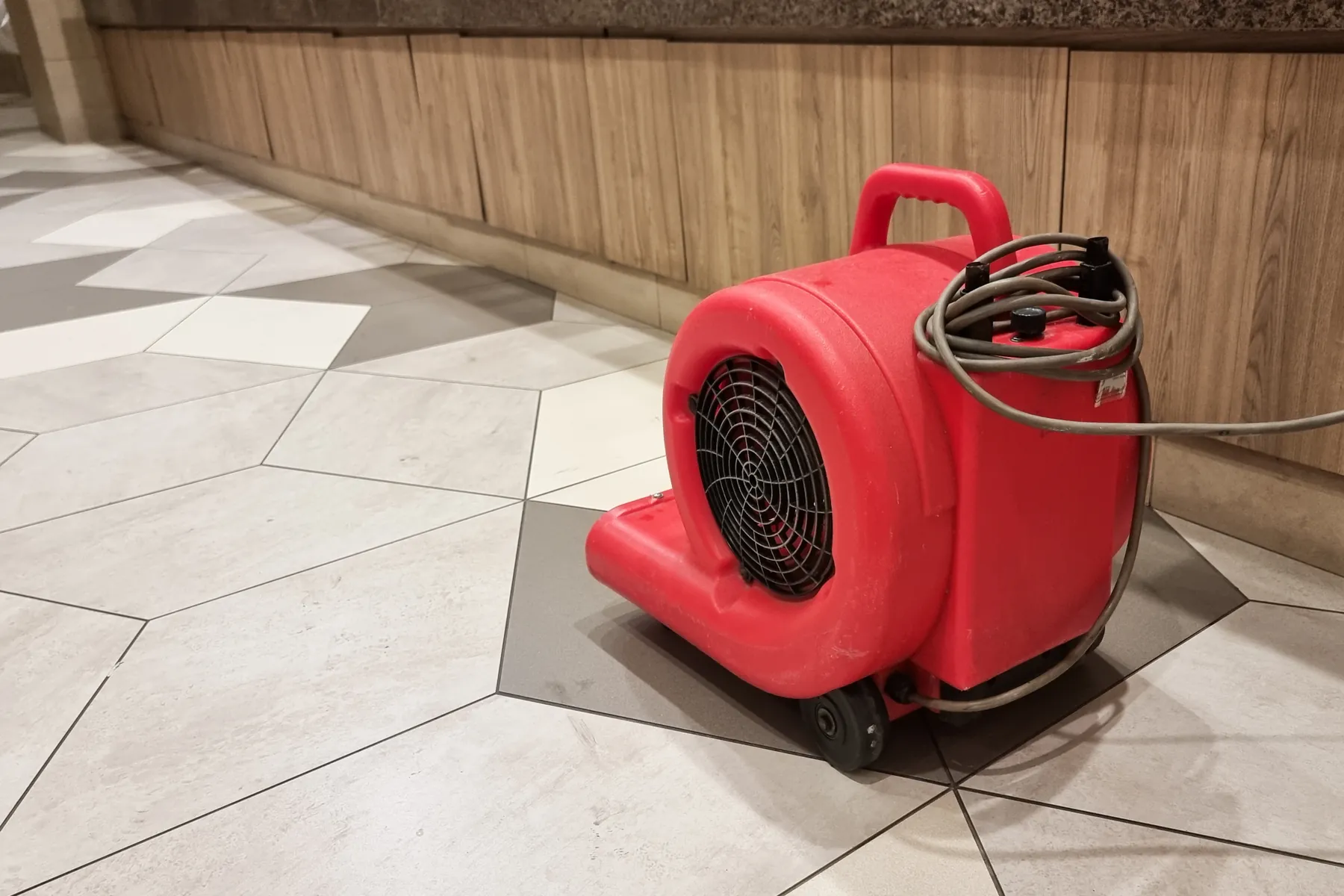
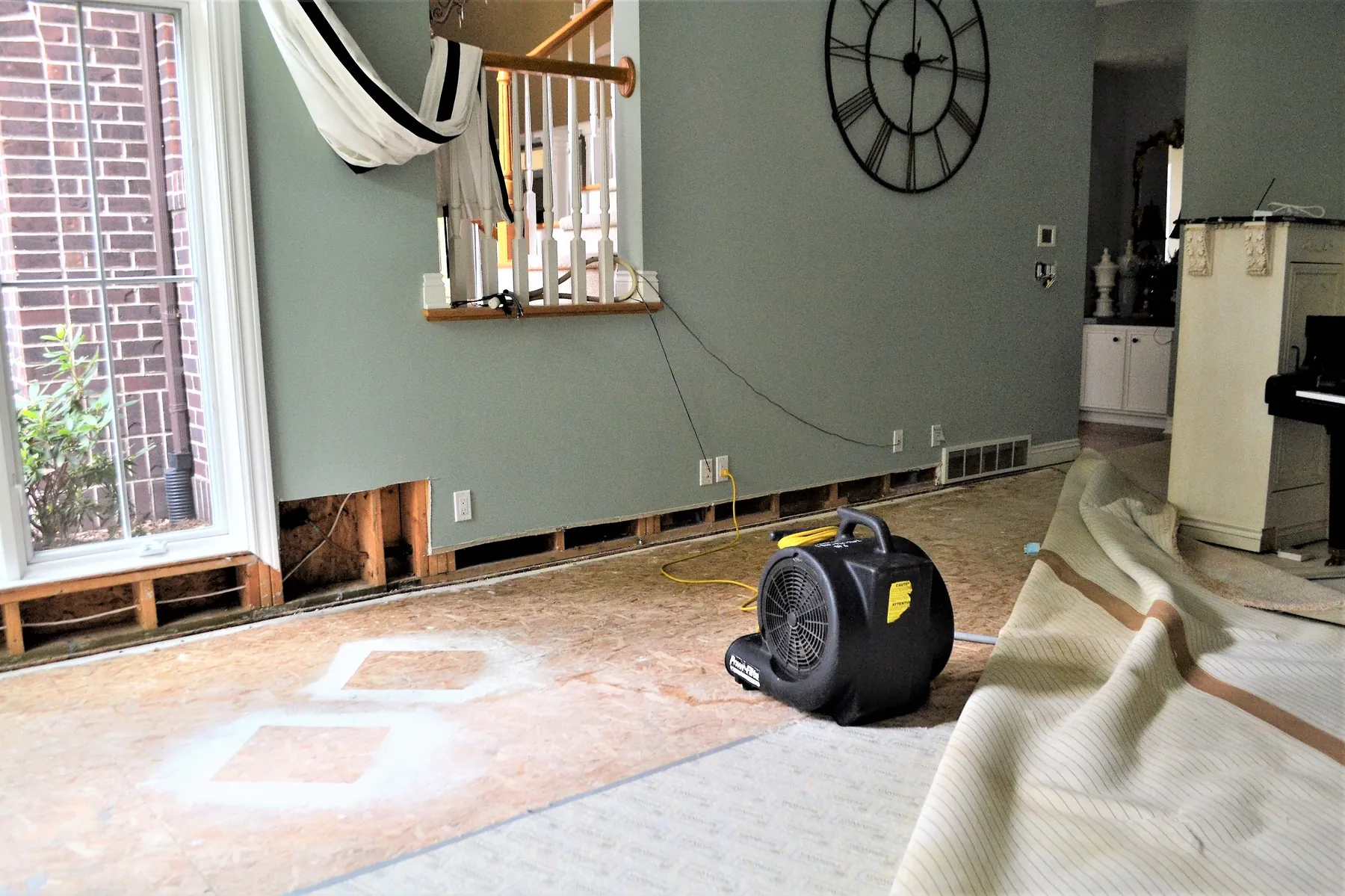
If you file an insurance claim, you may receive guidance from your insurance representative. However, this is a decision you must reach on your own. There are several factors to consider.Safety is paramount. Our equipment is as childproof as possible , but we require your supervision to make sure no children play with it. Air movers and dehumidifiers will create noise and make your property drafty for a few days. It is important that the equipment remains on, so if the noise is disruptive to you, you might want to consider an alternate place to stay.

How soon can Dry-Out Republic come out to my property after I notice water damage in my property?

Dry-Out Republic maintains an emergency response team that is available 24 hours a day. Once we receive your call and schedule an appointment, our team can typically arrive at your property within 60–90 minutes throughout Los Angeles, Orange County, San Diego County, and surrounding Southern California communities. Upon arrival, our technician will perform a free, no-obligation assessment to evaluate the extent of the damage, identify affected areas, and provide professional recommendations on the best course of action moving forward.

How much does it cost for water damage repairs?

The cost of water damage restoration can vary depending on several factors, including the source of the water, the extent of the damage, the size of the affected area, and the materials impacted. Because every loss is different, there is no one-size-fits-all price for water damage restoration. If you decide to move forward with our services, we will create a detailed estimate outlining the work necessary to return your property to normal.

What does the water damage restoration process look like?

The water damage restoration process begins with a free, no-obligation assessment by one of our certified technicians. During the inspection, we identify the source of the water, evaluate the extent of the damage, and develop a restoration plan tailored to your property. If mitigation is needed, our team will begin water extraction, structural drying, and dehumidification to prevent further damage and mold growth. Throughout the process, we monitor drying progress, provide regular updates, and verify that all affected areas have reached proper moisture levels before discussing any necessary repairs or reconstruction options.

What do I do in the case of an emergency flood / leak?

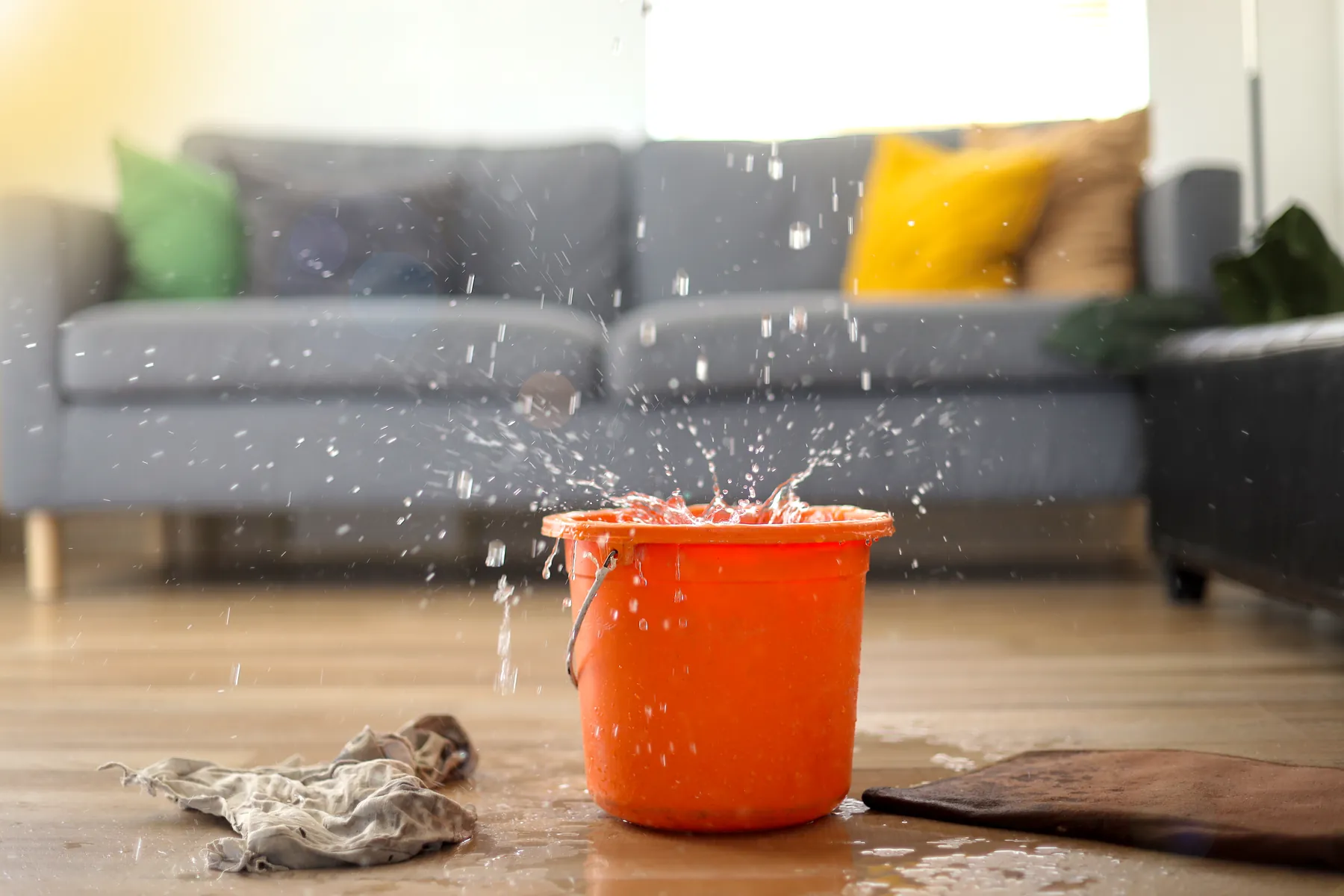
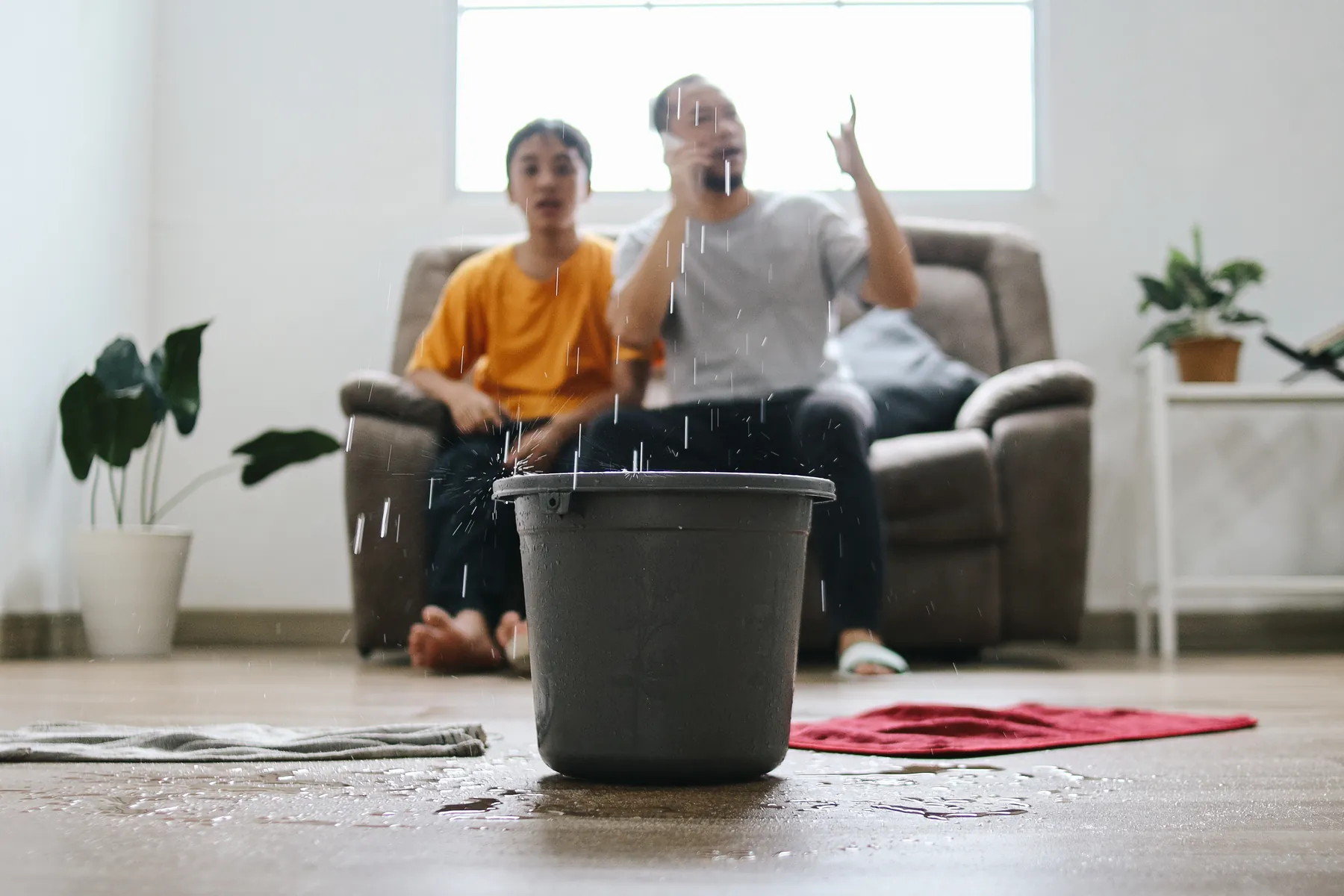
In the event of an emergency flood or leak, the first step is to stop the source of the water if it is safe to do so by shutting off the affected fixture or your property's main water supply. Once the source has been contained, contact Dry-Out Republic as soon as possible so our team can assess the situation and begin mitigating the damage. Water should never sit for an extended period of time, as it can quickly spread into drywall, flooring, cabinetry, and other building materials.

How long does the water damage restoration process and drying take at my property?

The length of the water damage restoration process can vary depending on several factors, including the size of the affected area, the amount of water involved, the materials impacted, and the category of water present. During your free, no-obligation assessment, one of our certified technicians will evaluate the damage and provide a more accurate estimate of the expected drying and restoration timeline based on the specific conditions at your property.

Are there different categories for water damage? And why do they matter?

Yes. The restoration industry classifies water damage into three categories based on the level of contamination present. Determining the category of water is important because it helps identify the proper cleaning, drying, and restoration procedures needed to safely restore the property. Category 1 – Clean Water There is no significant threat of contamination or health concerns from direct contact. This type of water typically originates from sanitary sources such as broken water supply lines, water heaters, sink supply lines, or certain appliance leaks. Category 2 – Gray Water The water contains a significant level of contamination and may cause illness or discomfort if exposed to or ingested. Common sources include washing machine discharges, dishwasher overflows, toilet overflows containing urine, and other water sources that contain contaminants. Category 3 – Black Water The water is heavily contaminated and can cause severe illness if exposed to or ingested. This category includes sewage backups, flooding from rivers or streams, seawater intrusion, and other highly unsanitary water sources that may contain harmful bacteria, pathogens, and other contaminants.

Do I need professional drying if the water appears to be gone and it looks dry?

Not always. Water can travel behind walls, beneath flooring, inside cabinetry, and other hidden areas where it may not be visible. Professional moisture detection equipment is often needed to determine whether moisture remains and whether drying is necessary to help prevent additional damage and mold growth.

Mold Remediation

Is mold dangerous?

Yes, it absolutely can be. The Centers for Disease Control and other health agencies warn that mold spores can pose serious health risks for people with breathing problems. In addition, certain types of mold - including black mold (stachybotrys chartarum) - can cause adverse effects even in healthy people.

How long does it take for mold to grow once water damage has occurred?

Mold can begin developing surprisingly quickly after water damage occurs. In the right conditions, mold growth may start within 24–48 hours when excess moisture is left untreated. The longer water remains trapped inside walls, flooring, cabinetry, insulation, or other building materials, the greater the risk of mold growth and additional property damage. This is why it is important to address water damage as soon as possible and ensure proper drying is completed by trained professionals.

What is mold and what does it look like?

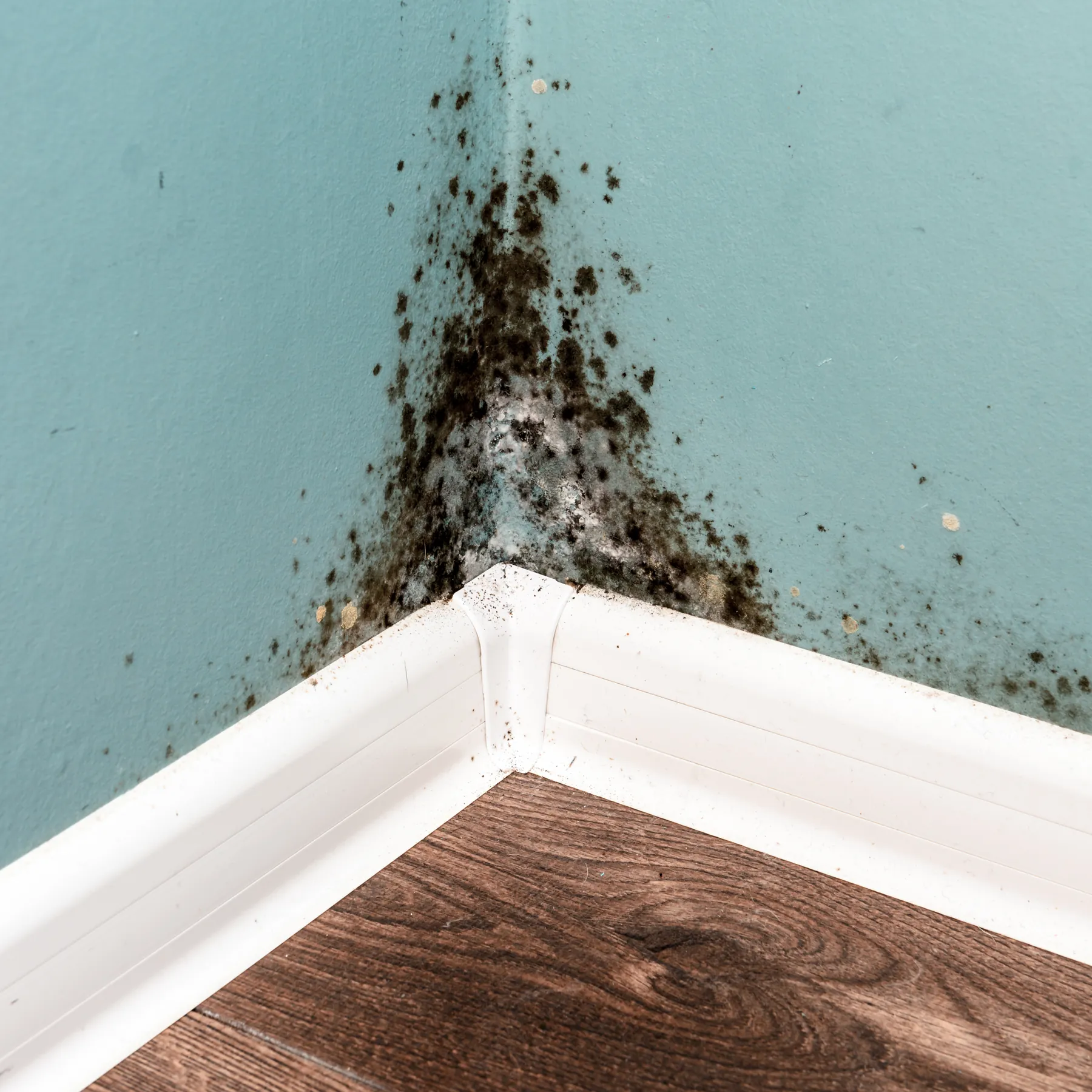
Mold is a type of fungus that grows in damp, humid, and moisture-rich environments. It can appear in a variety of colors including black, green, brown, white, yellow, or gray depending on the species and growing conditions. Mold may look fuzzy, powdery, slimy, or appear as dark spots and staining on walls, ceilings, flooring, insulation, wood, and other building materials. In many cases, homeowners first notice a musty odor before visible mold growth becomes apparent.

Can I DIY fix mold myself?

Small amounts of surface mold may sometimes be cleaned by a homeowner; however, mold problems are often larger than what is visible to the naked eye. Mold can spread behind walls, beneath flooring, inside crawlspaces, and throughout other hidden areas of a property. Improper removal can disturb mold spores and potentially spread contamination to unaffected areas. For larger mold concerns or situations involving water damage, it is generally recommended to have the property professionally inspected so the source of the moisture can be identified and properly addressed.

What are the side effects of prolonged exposure to mold?

The effects of mold exposure can vary depending on the individual and the extent of the mold growth. Some people may experience symptoms such as coughing, sneezing, nasal congestion, throat irritation, watery eyes, headaches, or skin irritation when exposed to mold for extended periods. Because mold affects everyone differently, it is important to address moisture issues and mold growth promptly to help maintain a healthy indoor environment.

Are there different types of mold?

Yes. There are thousands of mold species that exist naturally in the environment, and many can be found both indoors and outdoors. Common molds found in water-damaged properties include Aspergillus, Penicillium, and Cladosporium, among others. All types of mold growth inside a property should be taken seriously and addressed appropriately. During a mold inspection, our technicians can help identify affected areas and determine the best course of action for remediation.

Why does water damage / moisture cause mold to grow?

Mold requires three things to grow: moisture, a food source, and the right environmental conditions. Building materials commonly found in homes and businesses such as drywall, wood, insulation, carpet, and dust, provides an ideal food source for mold when moisture is present. Water damage, plumbing leaks, flooding, high humidity, and other moisture issues create the conditions mold needs to grow and spread. By eliminating excess moisture, the likelihood of mold growth is significantly reduced.

Can mold come back after remediation?

Mold can return if the source of the moisture is not properly addressed. This is why remediation involves not only removing mold growth but identifying and correcting the moisture issue that allowed it to develop.

Construction

How long will it take to repair my property after water damage restoration / drying is complete?

The timeline for repairs can vary depending on the extent of the damage, the materials affected, and the scope of work required to restore the property. Minor repairs may be completed relatively quickly, while larger projects involving multiple rooms, flooring, cabinetry, drywall, or other building materials may require additional time. Once the drying process is complete, our team will assess the necessary repairs and help connect you with one of our trusted construction partners. During this process, a more accurate timeline can be provided based on the specific needs of your property.

How much will repairs of my property cost?

The cost of repairs depends on several factors, including the amount of damage, the materials affected, the type of repairs needed, and the overall scope of the project. Because every property and loss is different, repair costs can vary significantly from one project to another. After mitigation and drying have been completed, our team can help coordinate an evaluation of the repairs needed and connect you with one of our trusted construction partners. Following their assessment, a detailed estimate can be provided outlining the work necessary to restore your property back to normal.

Do I have to find my own contractor after mitigation is complete?

No. Dry-Out Republic can help connect you with trusted construction professionals from our network of partners to assist with the repair and restoration process.

Insurance Claims

Do you work with all insurance companies?

Yes. Dry-Out Republic works with homeowners and property owners regardless of their insurance provider. Our team has experience assisting customers with claims involving many of the major insurance carriers. Our goal is to help you navigate the restoration process as smoothly as possible, regardless of who insures your property.

How do I know if I should file a claim?

Every situation is different, which is why filing a claim is not always the right decision. Before contacting your insurance company, we recommend scheduling a free assessment with one of our experienced project managers. During the inspection, we can evaluate the damage, explain the restoration process, and help you better understand your options so you can make an informed decision.

Is insurance consultation from the project managers free?

Yes. Insurance consultation is included as part of our free, no-obligation assessment. During the inspection, our project managers can answer questions about the restoration process, explain how insurance claims typically work, discuss potential next steps, and help you understand what documentation may be needed. Our goal is to provide homeowners with the information they need to make more informed decisions about their property.

How do insurance claims work with water damage?

While every insurance policy is different, the claims process typically begins by reporting the loss to your insurance carrier. An adjuster may then be assigned to review the claim and determine what coverage may apply. Throughout the restoration process, Dry-Out Republic can assist by providing damage documentation, photos, moisture readings, estimates, and other information that may be requested by your insurance company. We work closely with property homeowners throughout the process to help ensure the necessary information is properly documented & provided.

Will my insurance cover the water damage in my property?

Coverage depends on the cause of the water damage and the specifics of your insurance policy. Because every policy is different, our team can help evaluate the situation during a free assessment and provide guidance before you decide whether to file a claim. We recommend calling Dry-Out Republic before contacting your insurance carrier so we can provide you the necessary information to make an informed decision.

Do I have to use the partnered restoration company recommended by my insurance carrier?

No. Property owners have the right to choose the restoration company they want to work with. While your insurance carrier may recommend a preferred vendor, the decision is ultimately yours. Dry-Out Republic is not a preferred insurance vendor, which means our focus is on providing recommendations based on the needs of your property and helping you make informed decisions throughout the restoration process.

Can Dry-Out Republic communicate with my insurance carrier/adjuster?

Yes. With your authorization, our team can communicate with your insurance adjuster/carrier and provide documentation related to your restoration project at your property. This may include photos, moisture readings, drying reports, estimates, and other information that helps document the scope of the loss and the work being performed.

What information should I have ready when filing a water damage insurance claim?

If you decide to file a claim, it is helpful prior to having the date & time of loss, photo/video documentation, and a description of what happened. During our free assessment, our team can handle the documentation for you & gather any other information that may be useful throughout the insurance claims process.

Water won’t wait. Neither do we.

24/7 emergency dispatch · free assessment · 60–90 minutes response

Call (888) 379-6339
📞 Call (888) 379-6339 · Tap to dispatch