When water is spreading through your home, the clock is the enemy. We put IICRC-certified crews on the road 24/7 and typically reach your door in 60–90 minutes — because what happens in the first few hours decides how much you lose.
Water damage happens fast and without warning, and the cost of waiting is rarely visible at first. Within hours, water wicks into drywall, subfloors, cabinetry and framing; within a day or two, the right conditions for mold are already in place. Fast, proper action is what protects your property, your health and your budget — which is why our emergency team is available around the clock and dispatches the moment you call.
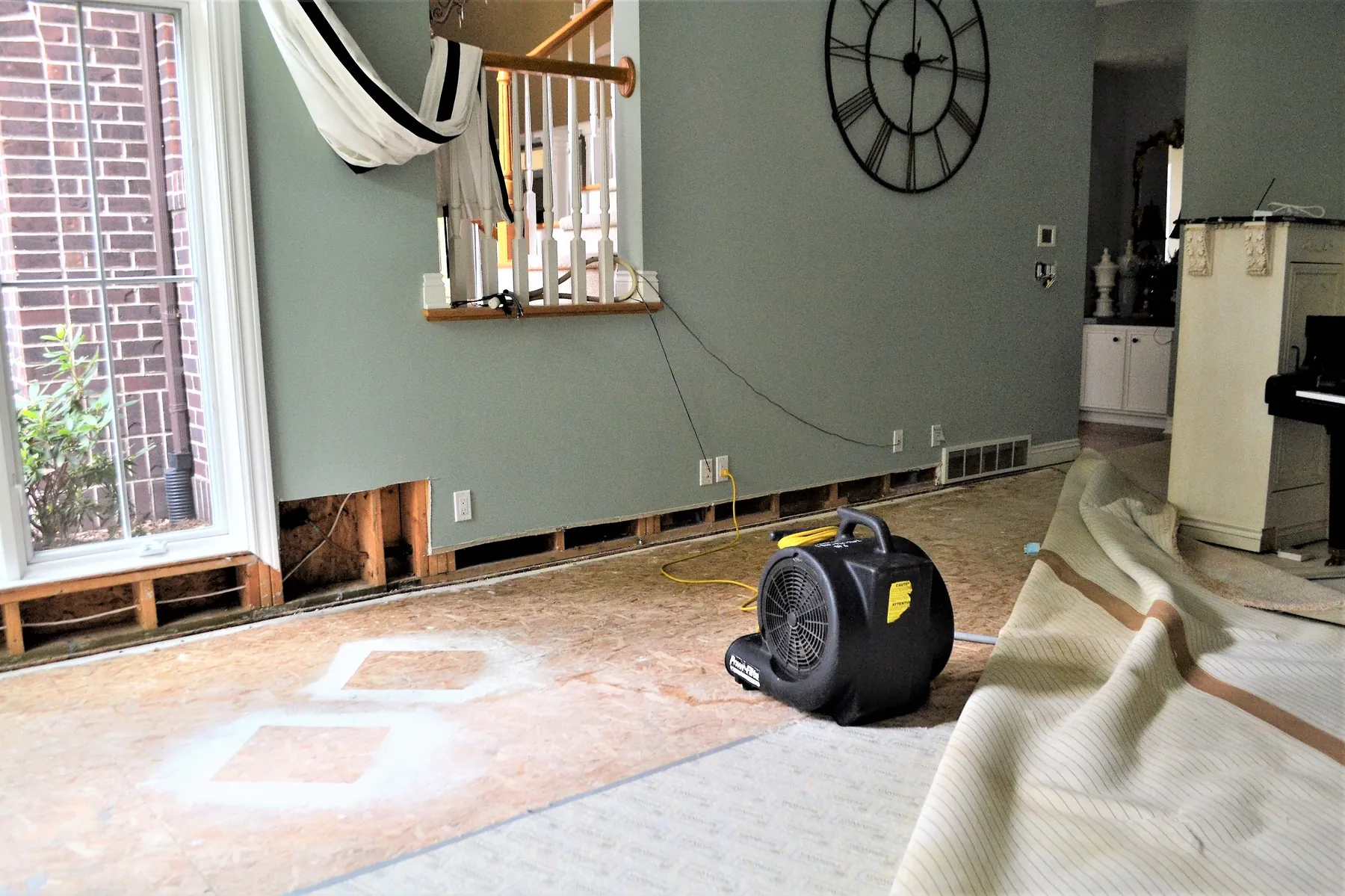
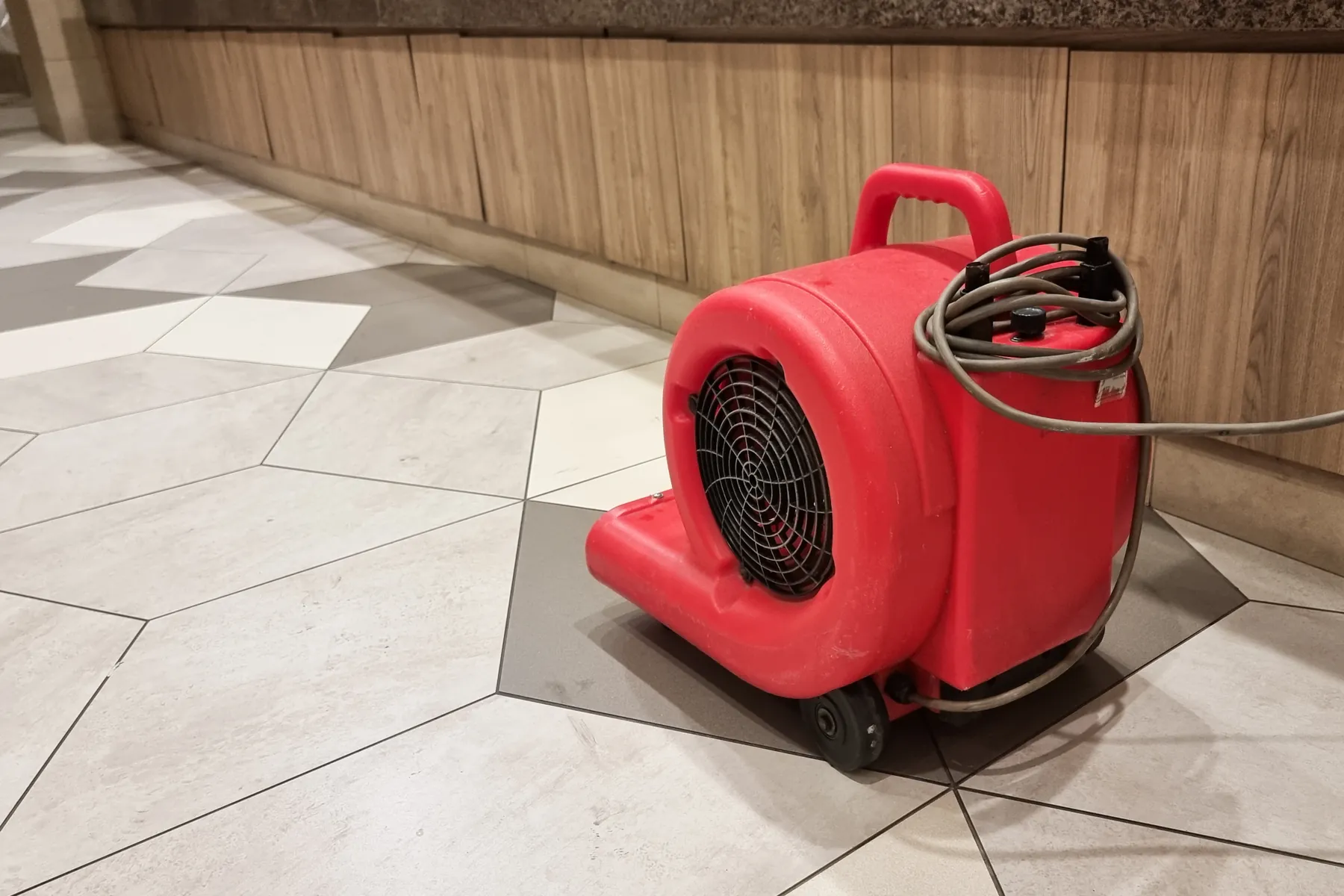
After a free, no-obligation inspection by a certified technician, we use thermal imaging and moisture meters to map exactly where the water went — including the places you can’t see. Then commercial-grade extraction, air movers and dehumidifiers remove the water and dry every affected material to a documented moisture target, not just “looks dry.” We monitor readings daily, keep you updated the entire way, and hand off cleanly to repairs when your property needs them.
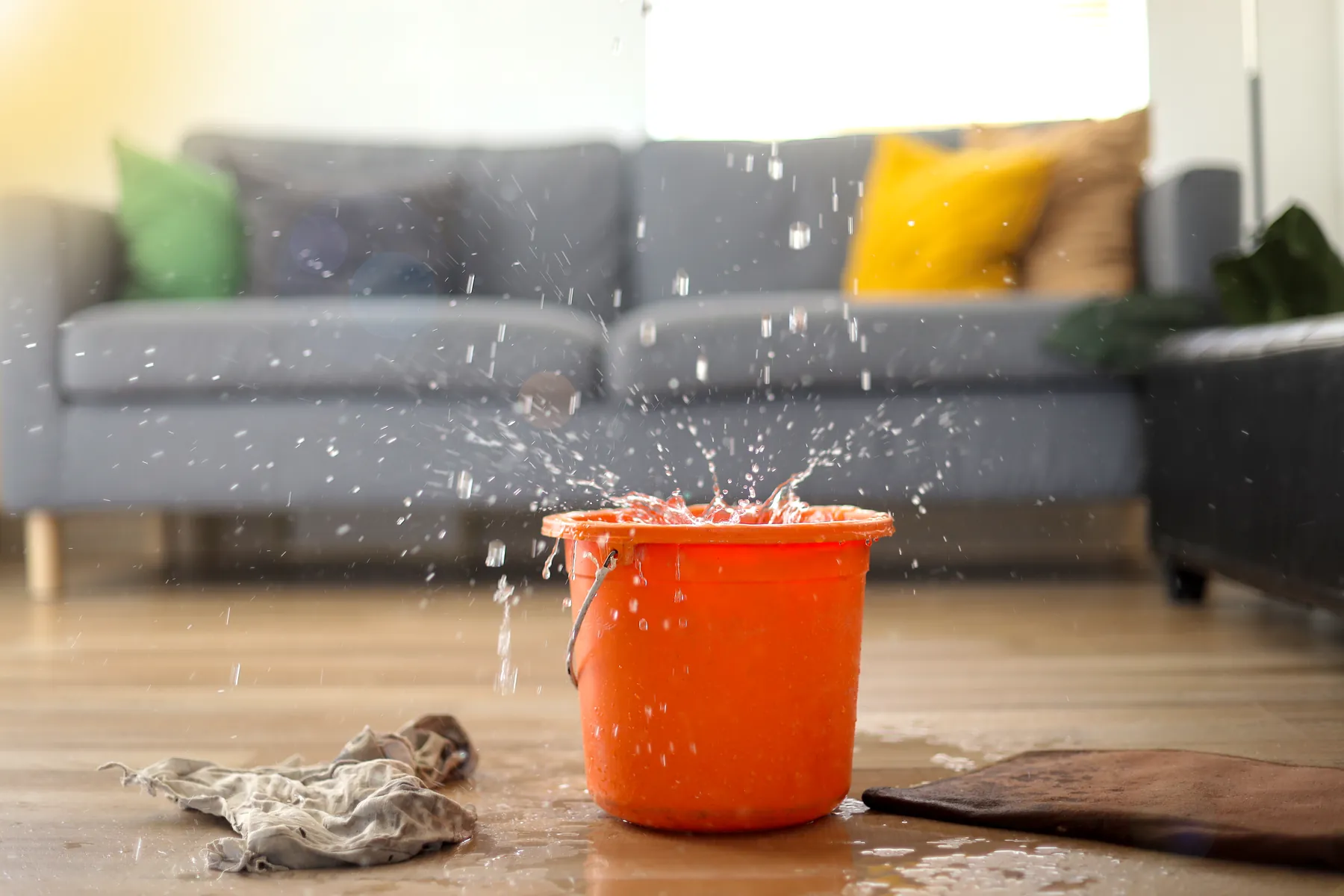
Emergency water extraction
Truck-mounted and portable units pull standing water out fast, before it migrates into subfloors, drywall and framing where the real damage compounds.
Structural drying & dehumidification
Calibrated air movers and commercial dehumidifiers dry materials to a documented moisture target — verified with meters, not guessed by eye.
Moisture mapping & daily monitoring
Thermal imaging finds hidden water behind walls and under floors, and we re-check readings every day until your property is genuinely dry.
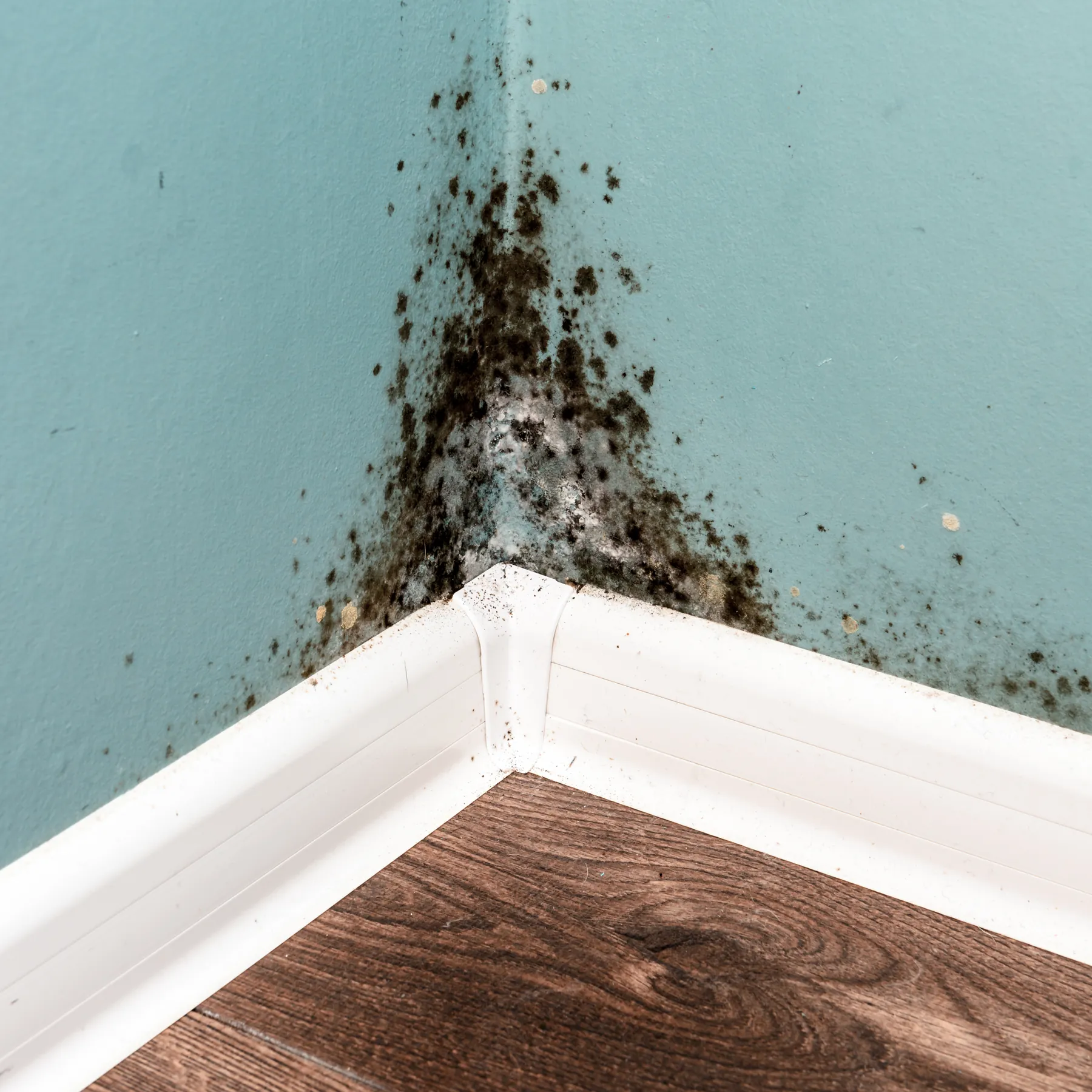
Mold prevention
Antimicrobial treatment plus fast, thorough drying close off the 24–48 hour window in which mold takes hold.
Claim-ready documentation
Photos, moisture logs and a written scope captured from day one — the proof your insurer expects, gathered before it’s too late.
Reconstruction handoff
When repairs are needed, we bridge you to vetted, licensed contractors and stay involved until your home is whole again.
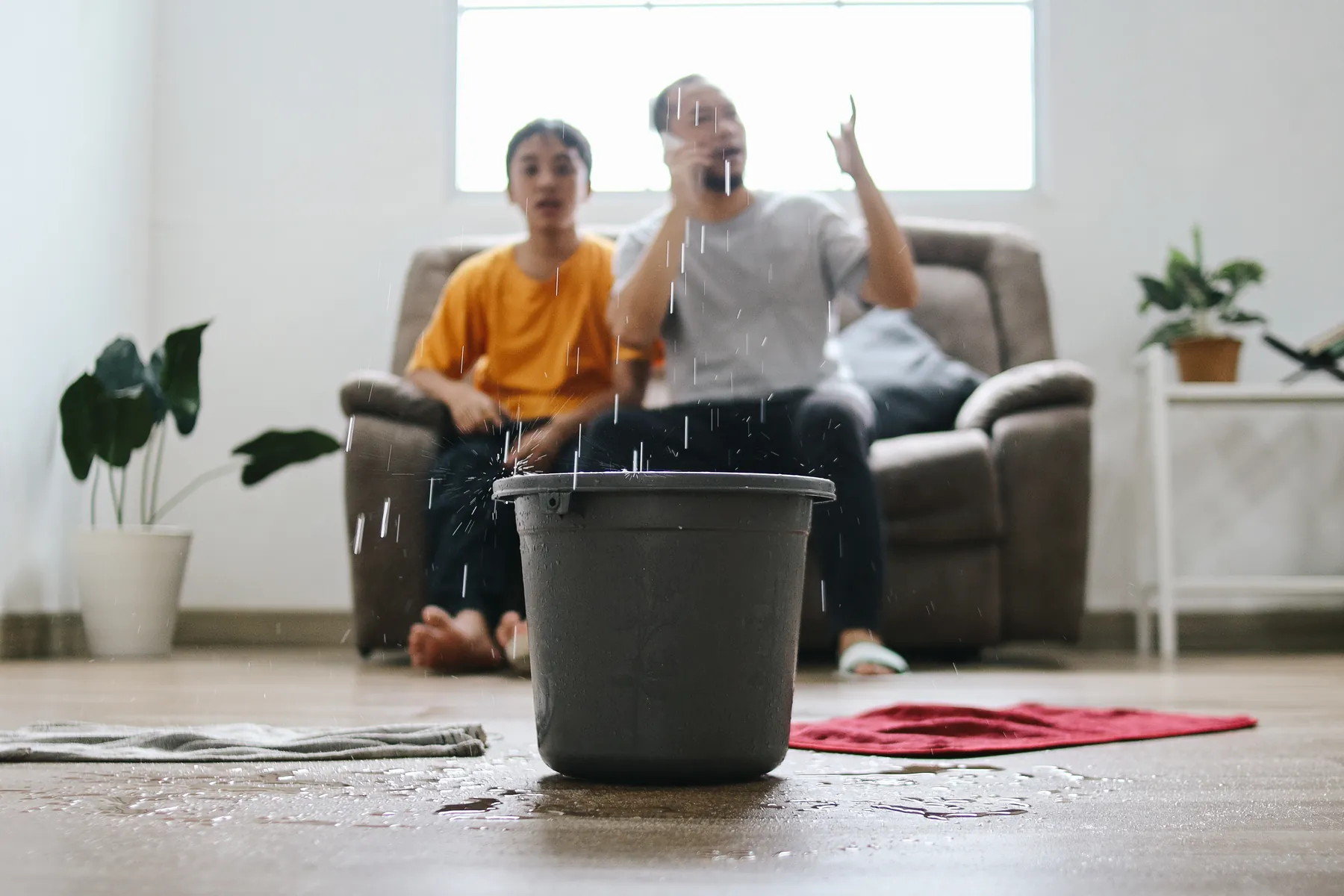
My property is flooded, what should I do first?
Time is of the utmost importance. Call Dry-Out Republic immediately so we can get to your property and start the process of removing the water and restoring it right away. By acting fast, you’ll minimize the damage to your property and prevent further problems, including mold infestation.
Should I open the windows to help the drying process?
Opening your windows to assist the drying process is not always recommended. Outside weather conditions may vary, so the technician will determine when and if the outside air is appropriate.
What should I do to stop water damage while I’m waiting?
Find the source of water and stop it, if possible (locate your water valve).Turn off the main circuit breakers to the structure. Do not operate electrical equipment in wet areas. If safe, remove furnishings from wet carpet to avoid staining. Remove breakable items and any other items that would be susceptible to water damage. Remove or lift curtains and other hanging items that touch the floor to avoid damage and staining. Do not run fans or air conditioning if the damage is caused by flooding or a sewage leak - Doing so can spread contamination. Open doors and windows to allow air into the structure. Make sure you thoroughly wash your hands and disinfect tools and equipment used in water damage cleanup.
Do I need to move out of my property during this process?
If you file an insurance claim, you may receive guidance from your insurance representative. However, this is a decision you must reach on your own. There are several factors to consider.Safety is paramount. Our equipment is as childproof as possible , but we require your supervision to make sure no children play with it. Air movers and dehumidifiers will create noise and make your property drafty for a few days. It is important that the equipment remains on, so if the noise is disruptive to you, you might want to consider an alternate place to stay.
How soon can Dry-Out Republic come out to my property after I notice water damage in my property?
Dry-Out Republic maintains an emergency response team that is available 24 hours a day. Once we receive your call and schedule an appointment, our team can typically arrive at your property within 60–90 minutes throughout Los Angeles, Orange County, San Diego County, and surrounding Southern California communities. Upon arrival, our technician will perform a free, no-obligation assessment to evaluate the extent of the damage, identify affected areas, and provide professional recommendations on the best course of action moving forward.
How much does it cost for water damage repairs?
The cost of water damage restoration can vary depending on several factors, including the source of the water, the extent of the damage, the size of the affected area, and the materials impacted. Because every loss is different, there is no one-size-fits-all price for water damage restoration. If you decide to move forward with our services, we will create a detailed estimate outlining the work necessary to return your property to normal.
What does the water damage restoration process look like?
The water damage restoration process begins with a free, no-obligation assessment by one of our certified technicians. During the inspection, we identify the source of the water, evaluate the extent of the damage, and develop a restoration plan tailored to your property. If mitigation is needed, our team will begin water extraction, structural drying, and dehumidification to prevent further damage and mold growth. Throughout the process, we monitor drying progress, provide regular updates, and verify that all affected areas have reached proper moisture levels before discussing any necessary repairs or reconstruction options.
What do I do in the case of an emergency flood / leak?
In the event of an emergency flood or leak, the first step is to stop the source of the water if it is safe to do so by shutting off the affected fixture or your property's main water supply. Once the source has been contained, contact Dry-Out Republic as soon as possible so our team can assess the situation and begin mitigating the damage. Water should never sit for an extended period of time, as it can quickly spread into drywall, flooring, cabinetry, and other building materials.
How long does the water damage restoration process and drying take at my property?
The length of the water damage restoration process can vary depending on several factors, including the size of the affected area, the amount of water involved, the materials impacted, and the category of water present. During your free, no-obligation assessment, one of our certified technicians will evaluate the damage and provide a more accurate estimate of the expected drying and restoration timeline based on the specific conditions at your property.
Are there different categories for water damage? And why do they matter?
Yes. The restoration industry classifies water damage into three categories based on the level of contamination present. Determining the category of water is important because it helps identify the proper cleaning, drying, and restoration procedures needed to safely restore the property. Category 1 – Clean Water There is no significant threat of contamination or health concerns from direct contact. This type of water typically originates from sanitary sources such as broken water supply lines, water heaters, sink supply lines, or certain appliance leaks. Category 2 – Gray Water The water contains a significant level of contamination and may cause illness or discomfort if exposed to or ingested. Common sources include washing machine discharges, dishwasher overflows, toilet overflows containing urine, and other water sources that contain contaminants. Category 3 – Black Water The water is heavily contaminated and can cause severe illness if exposed to or ingested. This category includes sewage backups, flooding from rivers or streams, seawater intrusion, and other highly unsanitary water sources that may contain harmful bacteria, pathogens, and other contaminants.
Do I need professional drying if the water appears to be gone and it looks dry?
Not always. Water can travel behind walls, beneath flooring, inside cabinetry, and other hidden areas where it may not be visible. Professional moisture detection equipment is often needed to determine whether moisture remains and whether drying is necessary to help prevent additional damage and mold growth.